
What's the most overlooked detail that separates one shirt from another? Not the fabric, not the collar — the sleeve. Length, cuff style, and cut all shape how a shirt looks and where you can wear it. Here's a complete breakdown of shirt sleeve types and how to pick the right one.
Sleeve Length
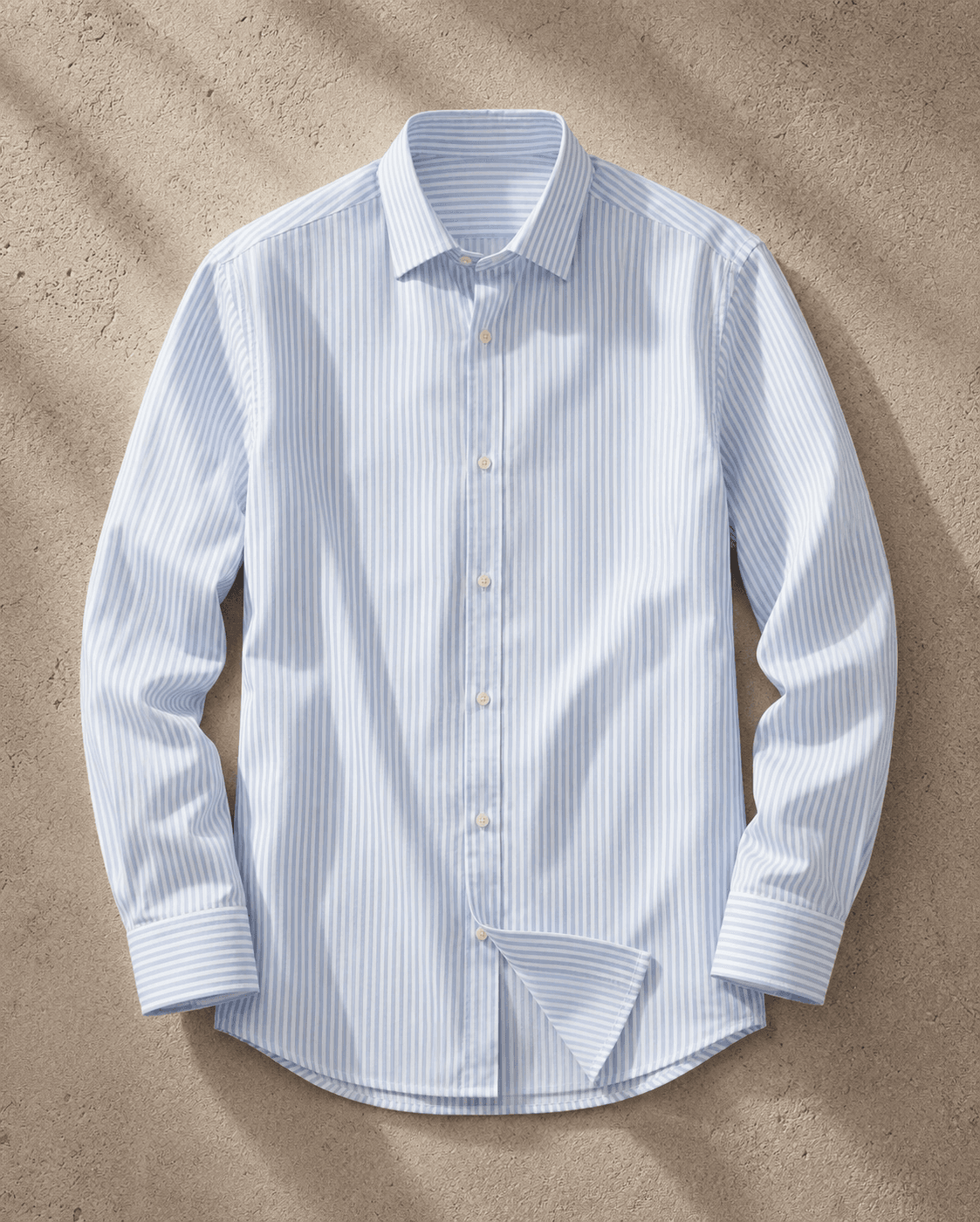
- Long sleeve: The standard for formal and office wear, pairs with any cuff style for a layered, polished look.
- Short sleeve: Built for warm weather and casual settings — quality fabric keeps the silhouette sharp even without a cuff.
- Roll-up (3/4) sleeve: A long sleeve folded and secured partway up the forearm, bridging formal and relaxed dressing.
Cuff Styles
- Barrel cuff: The most common cuff, closed with one or two buttons — everyday practical.
- French cuff: Fastened with cufflinks, folded double for a dressier finish — reserved for formal events and black-tie shirts.
- Roll-up tab cuff: Includes a small strap or tab to hold the folded sleeve in place — common on summer and casual shirts.
Sleeve Cuts
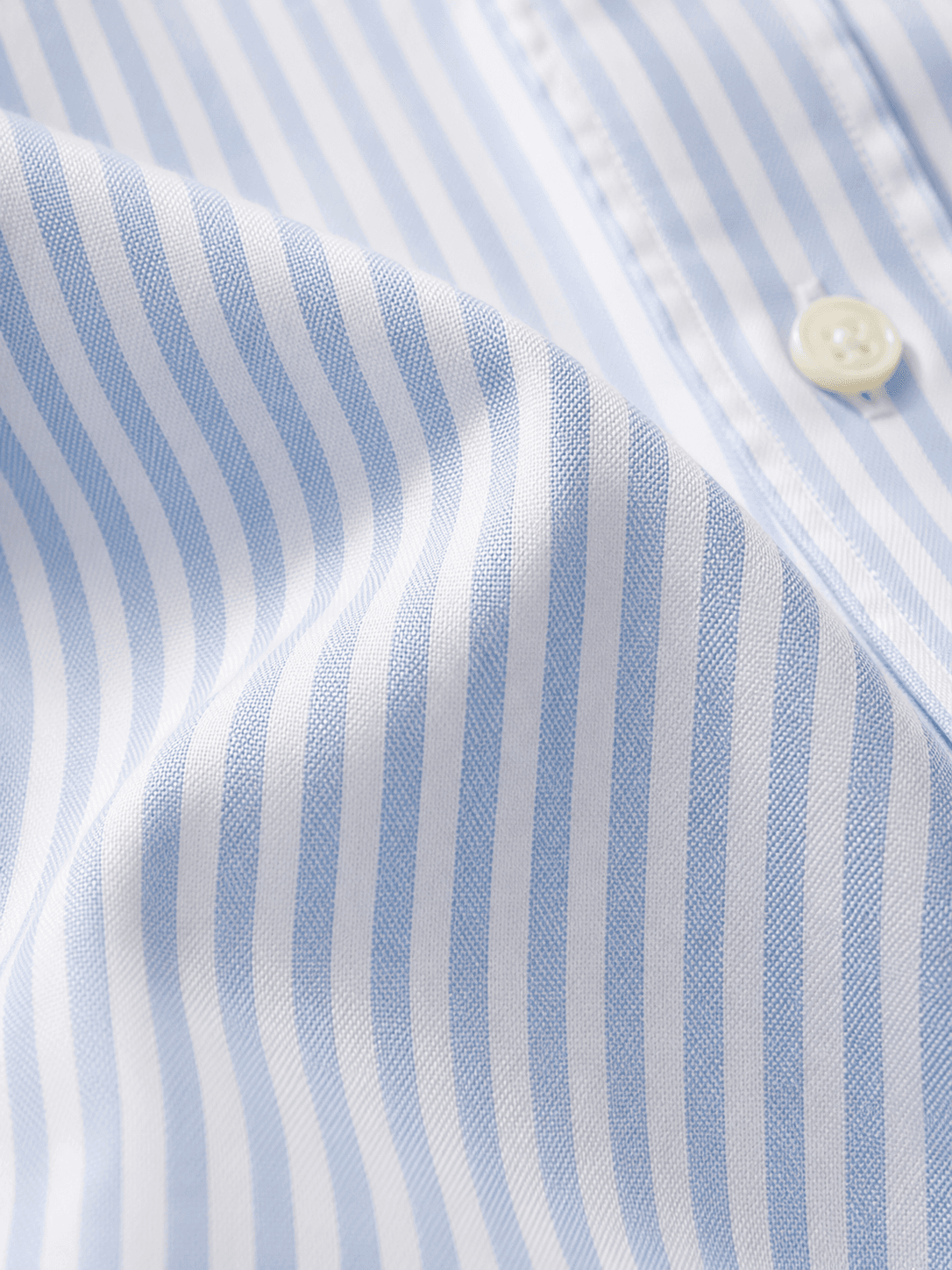
- Set-in sleeve: Stitched at the shoulder seam for a clean, classic silhouette — the standard in dress shirts.
- Raglan sleeve: Runs in one piece from collar to underarm, giving more freedom of movement.
- Dolman sleeve: Cut wide and blended into the body of the shirt for a looser, more casual drape.
How to Choose the Right Sleeve
Match the sleeve to the occasion: a set-in cut with a barrel cuff and long sleeve for office wear; short sleeves or a roll-up cuff for summer and casual days; French cuffs for formal events. Body type matters too — raglan cuts suit broader shoulders, while set-in sleeves flatter a leaner frame.
Conclusion
Sleeve construction is a small detail with an outsized effect on how a shirt fits and functions. Getting the sleeve-cuff combination right extends a shirt's versatility across seasons and settings.